

The Othmer Method: The Evolution of ILF Neurofeedback
Introduction to Neurofeedback and the Othmer Method
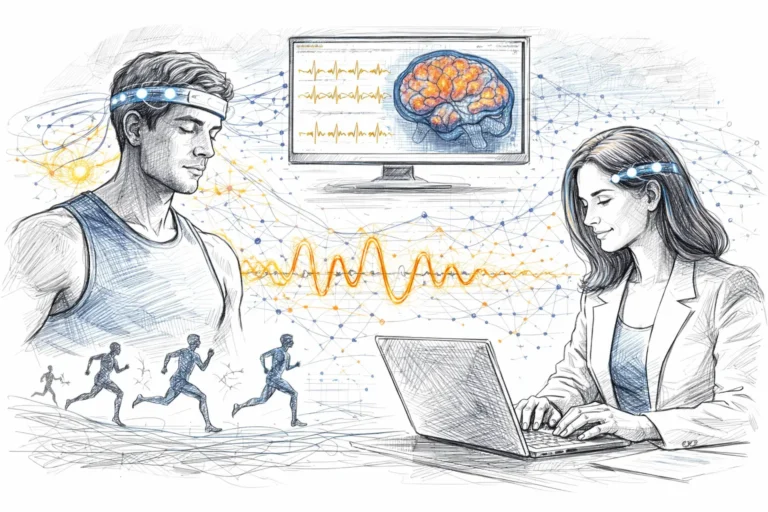
Neurofeedback, an advanced method for regulating brain activity, has evolved significantly since its discovery in the 1960s. Today, the ILF (Infralow Frequency) method, also known as the Othmer method, is one of the most effective approaches used in neurofeedback. Developed by American researchers Siegfried and Susan Othmer, this method provides an individualized solution for various neuropsychological conditions. Psychologists, psychotherapists, and physicians can benefit from training in this method to offer patients personalized neurofeedback treatments.
The Origin of Neurofeedback
Initially used as a simple diagnostic tool through EEG (electroencephalogram), neurofeedback gradually earned an important place in the treatment of neurological issues. Barry Sterman, a pioneer in the field, discovered that training sensorimotor rhythm (SMR) brainwaves can significantly reduce the frequency of epileptic seizures. These findings paved the way for the therapeutic use of neurofeedback in treating disorders such as epilepsy, ADHD, and insomnia.
Do you want to become a Neurofeedback practitioner? Sign up for the next course!
ILF Neurofeedback: A Revolution in Brain Therapy
The ILF method differs in that it focuses on extremely low brainwave frequencies, between 0.1 and 0.001 Hz, and has a strong impact on neural connectivity. Unlike traditional methods, which are based on training specific frequencies, ILF provides non-valuative feedback, allowing the brain to self-regulate naturally without imposing a specific task on the client. This is essential for therapy, as it stimulates neuroplasticity and the self-regulation of brain arousal.
How Does ILF Training Work?
During ILF neurofeedback sessions, clients receive visual, auditory, or even tactile feedback. The feedback reflects their brain’s neural activity, and the brain automatically attempts to adjust this activity to optimize its functioning. For example, clients may watch a movie or play a computer game, and the quality of the image or sound subtly adjusts according to the recorded EEG signals.
Therapy Effectiveness and Modern Research
Recent research, such as the study led by Olga Dobrushina in 2020, has shown that a single ILF neurofeedback session can produce significant changes in brain connectivity. This type of neurofeedback has proven effective in treating a wide range of conditions, including ADHD, anxiety, depression, and post-traumatic disorders. The positive results and improved self-regulation of arousal provide a new therapeutic approach for patients with neurological issues.
Why learn the Othmer Method?
For psychologists, psychotherapists, and physicians, training courses in ILF neurofeedback represent an excellent opportunity to add an innovative method to their therapeutic toolkit. The Othmer Method not only provides an effective solution for various conditions but also allows each treatment to be personalized according to the patient’s specific needs. Training in this method enables practitioners to significantly improve their patients’ quality of life by stimulating neuroplasticity and brain self-regulation.
Do you want to become a Neurofeedback practitioner? Sign up for the next course!
Conclusion
ILF neurofeedback, known as the Othmer method, has revolutionized the field of neuropsychology by providing individualized treatment based on neural connectivity and self-regulation of arousal. Those interested in improving their therapeutic skills can benefit from the courses offered by Neurofeedback Romania to learn and apply this advanced, effective, and patient-centered method.




 EN
EN  RO
RO