

What Are Neurofeedback and Biofeedback? How They Work and the Benefits of Brain Self-Regulation
Introduction to Neurofeedback and Biofeedback: Modern Therapeutic Methods for Self-Regulation of the Brain and Body
Neurofeedback and biofeedback are becoming increasingly popular in modern therapies, but what do they really mean? In this article, we explain the most important terms in the field of neurofeedback, how these methods work, and how they can be used in the treatment of neurological and psychological conditions.
What is neurofeedback?
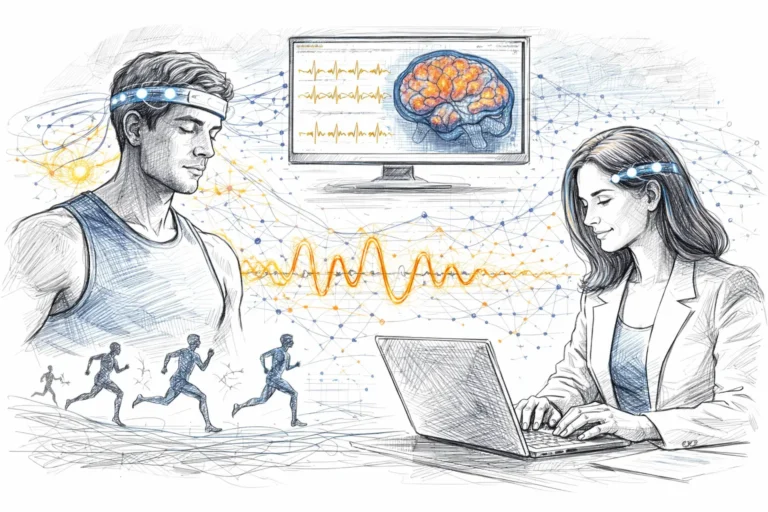
Neurofeedback is a computer-assisted therapy method, used for clinical purposes, in which brain activity is measured in real time and transformed into visual or auditory feedback. This reflects the brainwave activity captured through electrodes placed on the patient’s scalp. Neurofeedback works like a mirror for the brain, helping it improve its ability to self-regulation. This method is used in treatments for conditions such as ADHD, anxiety, depression, and sleep disorders, thereby improving patients’ quality of life.
What is biofeedback?
Biofeedback measures peripheral physiological parameters,such as heart rate, breathing, or skin conductance, providing them as feedback to the patient. These parameters offer information about the patient’s stress level and are used in therapies for mental and physical conditions, including training for performance and concentration. Biofeedback is an ideal complement to neurofeedback, giving patients a clearer perception of their physiological and emotional changes.
How does a neurofeedback session take place?
During a neurofeedback session, EEG (electroencephalogram) signals are measured from the surface of the head and displayed on a screen in the form of visual feedback. These signals reflect the brain’s activity in real time, and the patient can learn to influence the animation on the screen by self-regulating their brain activity. This method helps the brain find its optimal arousal frequency and improve symptoms of conditions associated with stress, sleep disorders, and concentration problems.
Do you want to become a Neurofeedback practitioner? Sign up for the next course!
The importance of heart rate variability in biofeedback
Heart Rate Variability (HRV) is an important indicator of the body’s self-regulation capacity. It refers to the variation in the intervals between heartbeats and is influenced by emotional and physical stress. A high variability indicates a good ability to manage stresswhile low variability may indicate difficulties in managing stress. Through HRV training, patients learn to better control their heart rate and reduce their overall stress level, which is particularly useful for patients with anxiety and depression disorders.
The role of breathing in biofeedback
Breathing is a central element in stress regulation. Deep and controlled breathing helps synchronize heart rate and the autonomic nervous system. In states of relaxation, the heart rate slows during exhalation and accelerates during inhalation. This phenomenon, called “respiratory sinus arrhythmia,” is essential in biofeedback and helps patients better regulate their stress levels.
Skin conductance and stress signals
Skin conductance measure the activity of the sweat glands, which increase during moments of stress. Electrodes placed on the fingers record rapid changes in conductance, reflecting quick shifts in emotional state. In therapy, skin conductance can be used to monitor the stress response and to guide the patient in relaxation training..
Body temperature and relaxation in biofeedback
Body temperature is another important indicator of stress and relaxation. In states of relaxation, blood vessels in the extremities dilate, allowing the temperature to rise. Under stress, the vessels constrict, and the temperature decreases. Monitoring body temperature during biofeedback therapy helps patients understand the connection between emotions and physiology and learn to better control their emotional state.
Alpha-Theta and Synchrony Neurofeedback
These two forms of specialized neurofeedback are used to calm cortical activity and to improve relaxation and awareness. Alpha-Theta neurofeedback is recommended especially for patients suffering from post-traumatic stress disorder, anxiety, or sleep disorders. Synchrony training, also known as “awareness training,” helps patients improve their mental clarity and emotional balance.
Do you want to become a Neurofeedback practitioner? Sign up for the next course!
Conclusion
Both neurofeedback and biofeedback offer powerful methods of self-regulation for patients dealing with various neurological and psychological conditions. By combining these techniques, patients learn to better manage their stress responses and improve their overall health. If you are a professional in the medical or psychological field, training in neurofeedback and biofeedback can help you add an innovative method to your clinical practice.


 EN
EN  RO
RO