
Neurofeedback at Meade Hill
So, what is neurofeedback?
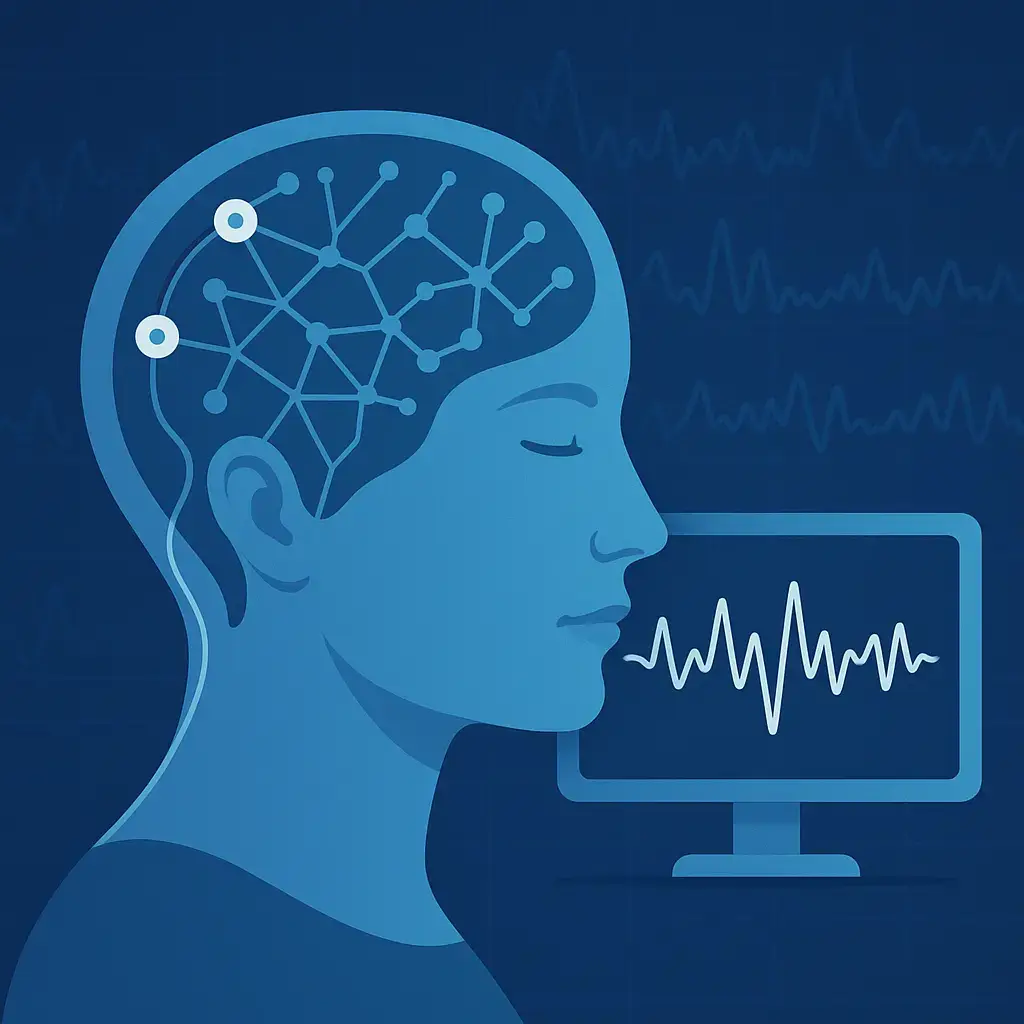
Everything we think, feel, and do is the result of the activity of billions of neurons in our brain, and the outcome of this activity produces EEG or brain waves, which we can measure. Research has found that it is possible to train these brain waves to improve brain function, and this process is called neurofeedback training.
Neurofeedback is a well-established method. NASA first began using it in the 1950s to train astronauts in concentration and alertness, and it is now part of their training program. It is also used by sports organizations to enhance performance.
At Meade Hill, neurofeedback is mainly used to help people with conditions such as ADHD, autism, anxiety, and even anger management and low mood. However, it is also used for many other issues, such as stress, sleep, and pain management.
How does Neurofeedback work?
At Meade Hill, each case is different, but in principle, the process looks quite similar. Using careful measurements, we attach sensors to areas of the head corresponding to the part of the brain that needs training. For example, our initial training site is the temporal lobe, since it is responsible for processing nonverbal information such as memory and emotional regulation.
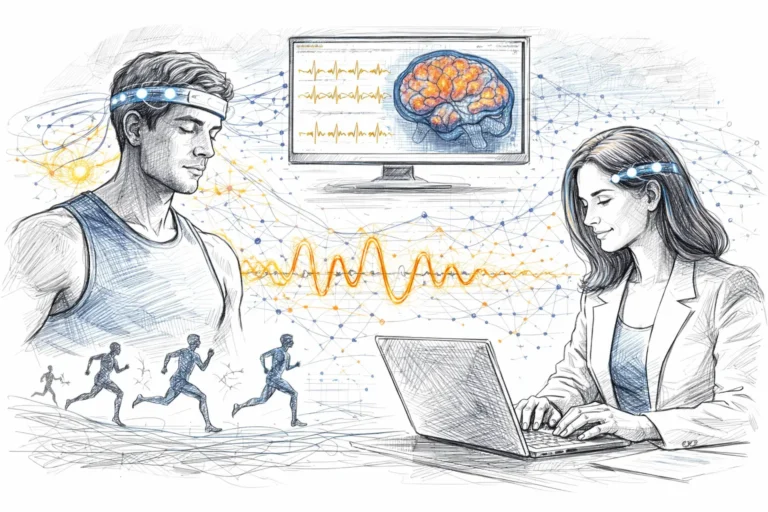
Everything is done very gently and, from the perspective of our clients, they are simply playing a game or watching a DVD. The sensors are then connected to a brain–computer interface that measures brainwave activity. When the interface detects that the brain is functioning more optimally, the person is rewarded instantly. For example, if they are watching a DVD, the sound will be louder and the picture brighter. If they are playing a car game, the car will go faster.
But if the brain is not functioning well—for example, in a brain with ADHD, if the excitatory neurons become overactive—the feedback will become unclear, and the car’s speed will decrease. This feedback is provided in real time, and as a result, the brain begins to change very quickly, often within just a few seconds.
Focus and Well-being
With consistent and repetitive ILF neurofeedback training, the brain learns to function more optimally, leading to an improvement in a person’s well-being. We have observed that our students stay focused in class, respond rationally when challenged by peers, and are able to manage emotional dysregulation—even being able to say that they feel dysregulated and need a break.
And the great part is that once your brain learns, it hardly ever forgets. It’s like riding a bicycle.




 EN
EN  RO
RO